
Winter color in the garden
Now that autumn is here and we are planting beds with mums, cabbages, kales and other seasonal color plants, we often get asked “what can we use for winter color”?

Now that autumn is here and we are planting beds with mums, cabbages, kales and other seasonal color plants, we often get asked “what can we use for winter color”?

Early spring flowers are the surest sign that warmer weather is coming. Come springtime when you are out and about have you ever wondered “just what are those beautiful flowers in that landscape?” I admit, as much as I know my plants and flowers, I often find myself going “Whoa, what is that? It’s beautiful.” I love it when I’m stumped. Chances are it may be one of the plants below which all burst forth in spring with dazzling displays of color and hues. Sure there are pansies in this list, but what is Spring without Pansys?
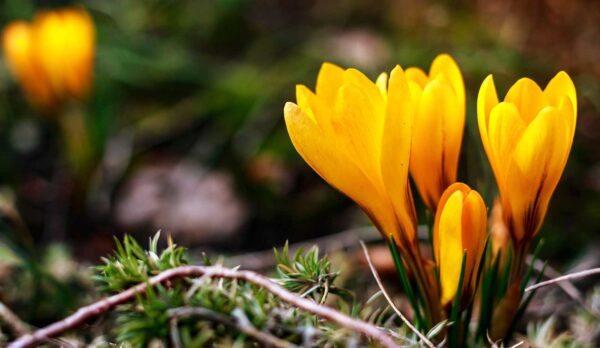
Answering the question, “when will my spring bulbs bloom?” may take a little explaining. Spring bulbs grow and bloom when warmer temperatures arrive. They only form flowers if they have undergone the proper chilling period to break dormancy. This allows the bulb a chilling period of 12 to 15 weeks, which is necessary for spring bulbs to sprout.

Sure we’re in the winter season now and the landscapes outside the window at times look barren, cold and wind blown. But don’t let that get you down. Beat the winter blues with houseplants. As shown above, houseplants are great for indoor décor. This relic of bygone days, an old Remington Typewriter in its carrying case is surrounded by a plethora of complimenting houseplants of various growth habits.

Once the holidays are here and gone, go for a walk through any neighborhood and you’ll see Christmas tree after Christmas tree, with strands of tinsel blowing in the wind, dumped by the road awaiting garbage collection. This strikes me as somewhat befuddling when we can take a custom that symbolized life and the promise of rebirth in the spring and turn it into another aspect of our “throw-away society”

The most noticeable and distinctive characteristic of Betula Papyrifera, a medium sized and native deciduous tree, is its peeling bark, which is accented by the green leaves that turn to a bright yellow in the autumn season. The peeling white bark blends in well with snowy winter landscapes.

Imagine living in a world without flowers or fruit or even coffee or chocolate for that matter. Thanks to the wonderful work of pollinators like bees, much of the food we eat and flowers and plants we enjoy are possible. And it’s not just bees that are doing all the work. Butterflies, birds, beetles, bats, wasps and even flies are important in the pollination process. But despite the importance of pollinators, they are taken for granted all too often.
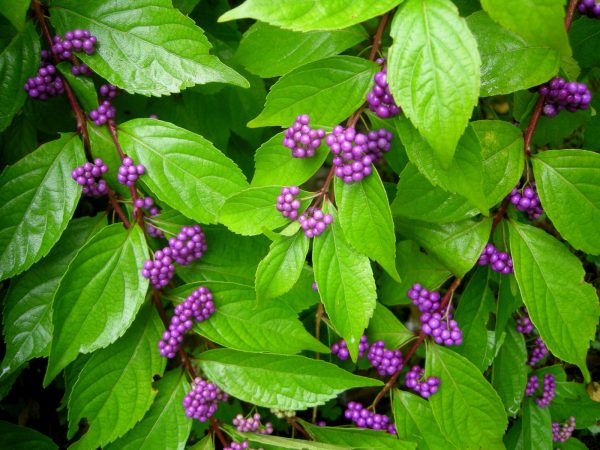
Within the past few decades, a native American shrub has been slowly making the transition from it woodland and forest habitat to backyards throughout New Jersey. What’s puzzling about it is just how long it took homeowners to realize that Callicarpa American (Beautyberry) is both an attractive addition to any landscape as well as a valuable source of food for many types of wildlife. Most of the time though, you’ll look at it and wonder why it’s name alludes to beauty? Then bam, fall arrives and this plant gets busy.

You can take the kid out of work however you cannot take the work out of a Kid. Well what does that mean? In a nutshell, sixty-five hours a week is not unusual for this business owner to put in and maintain throughout the growing seasons. Even when I’m not working I really am.

Do you like the color blue? Well this client who lives in Ridgewood NJ wanted nothing but blue in the front of his house. He loved the color blue so much he decided he wanted Colorado Blue Spruces planted.